ByJohn A
Why IMEI Verification Matters Before Buying Used Smartphones
Buying a used smartphone can be a practical way to access a capable device at a lower price. However, a phone that looks perfect on the outside may have issues that are not immediately visible. Before completing a purchase, buyers should verify the device’s history and status to reduce the risk of unexpected problems.
One of the most useful checks involves the International Mobile Equipment Identity (IMEI) number. This unique identifier can help determine whether a device has been reported as lost or stolen, flagged by a network, or listed in a database that may affect its usability. An IMEI blacklist lookup is therefore an important step when evaluating a second-hand smartphone.
Taking a few minutes to verify the IMEI can provide valuable information before money changes hands. Services such as those offered by CellDe can help make device verification part of a more informed used-phone purchasing process.
What Is an IMEI and Why Is It Important?
An IMEI is a unique identification number associated with a mobile device. Unlike a phone number or SIM card, the IMEI identifies the physical device itself. Mobile networks and other industry systems can use this identifier to recognise and manage individual handsets.
Understanding what the IMEI represents helps buyers appreciate why checking it matters. A device may have a legitimate appearance and still have an IMEI status that raises concerns about its network usability or history.
Understanding the IMEI Number
Most mobile phones have a unique IMEI number that can usually be found through the device settings, packaging, or other device information. Dual-SIM smartphones may have more than one IMEI, so buyers should identify all relevant numbers when checking the device.
Before purchasing a used phone, buyers can compare the IMEI shown in the phone with the number provided by the seller. Useful checks include:
- Comparing the device IMEI with its original packaging
- Checking the number shown in the phone settings
- Verifying every IMEI on a dual-SIM device
- Recording the IMEI before completing the purchase
Consistency between these sources can help identify discrepancies that deserve further investigation.
What Does a Blacklisted IMEI Mean?
An IMEI may be blacklisted when a device has been reported under circumstances that cause it to be flagged by participating network or industry systems. Depending on the applicable network and region, a blacklisted device may face restrictions on cellular connectivity.
This is why buyers should not rely solely on the phone’s physical condition. A smartphone can appear fully functional while still having an IMEI status that creates problems after purchase.
A Blacklisted IMEI search can help buyers identify potential concerns before committing to a transaction. If a device returns an unexpected result, the buyer can ask the seller for clarification or reconsider the purchase.
Why an IMEI Blacklist Lookup Matters for Used Phones
The second-hand smartphone market involves devices with different ownership histories. Some phones have been traded in, resold, repaired, replaced through warranty programmes, or reported missing at some point.
An IMEI check does not replace every other inspection, but it provides another layer of information. Combining the results with physical inspection, documentation, and seller verification can help buyers make more informed decisions.
Reduce the Risk of Buying a Problematic Device
A used smartphone may have a history that is difficult to determine simply by examining it. An IMEI blacklist lookup can provide information that is not apparent from the phone’s exterior or basic functionality.
For example, a device might power on normally when connected to Wi-Fi but have problems with cellular service because of its status. Identifying this before purchase is considerably better than discovering the issue after the transaction.
Buyers should treat an unexpected blacklist result as a reason to pause and investigate. Asking questions before payment gives the buyer more options than trying to resolve the issue afterward.
Check the Device Before Making Payment
IMEI verification is most useful when it is performed before the purchase is finalised. Buyers should avoid assuming that a seller’s description automatically confirms the phone’s status.
A practical buying process can include:
- Requesting the IMEI from the seller
- Performing an IMEI blacklist lookup
- Comparing the returned information with the actual device
- Asking about discrepancies or unusual results
- Completing the purchase only after satisfactory verification
This approach is particularly useful for online marketplace purchases where the buyer may have limited opportunity to inspect the phone beforehand.
How to Perform a Blacklisted IMEI Search
Conducting an IMEI check is generally straightforward, but buyers should still approach the process carefully. The goal is to verify the correct device and interpret the result in context.
Using a reputable verification service can make the process easier. Buyers should also understand that database coverage and network policies can vary by country and carrier, so a result should be considered alongside other available information.
Find the Correct IMEI
The first step is identifying the correct IMEI number. Depending on the phone, it may be available through device settings or printed on original documentation. Buyers should make sure they are checking the IMEI associated with the device they are actually purchasing.
For phones with multiple SIM slots, there may be multiple IMEI numbers. Each relevant identifier should be checked rather than assuming that one result applies to every device identifier.
Careful identification prevents a simple but important mistake: checking a different IMEI than the one associated with the handset. Buyers can then use the correct number for a Blacklisted IMEI search.
Review the Verification Result
Once the IMEI has been checked, buyers should review the result carefully rather than treating the search as a simple yes-or-no decision. The information available may indicate whether the device appears on a blacklist or whether additional details require attention.
CellDe provides device verification solutions that can support businesses and users in checking mobile device information. Reviewing available verification data before purchasing a used smartphone can help buyers make decisions based on more than appearance alone.
If the result raises concerns, buyers should ask the seller for supporting information. A transparent seller should be willing to discuss a device’s history and status.
IMEI Verification Is Only One Part of Used-Phone Due Diligence
Although an IMEI check is valuable, it should not be the only step in evaluating a used smartphone. Buyers should also examine the phone’s physical condition, functionality, documentation, and software status.
A comprehensive inspection can reveal problems that an IMEI lookup cannot identify. Combining several checks provides a more complete picture of the device before purchase.
Inspect the Phone’s Physical Condition
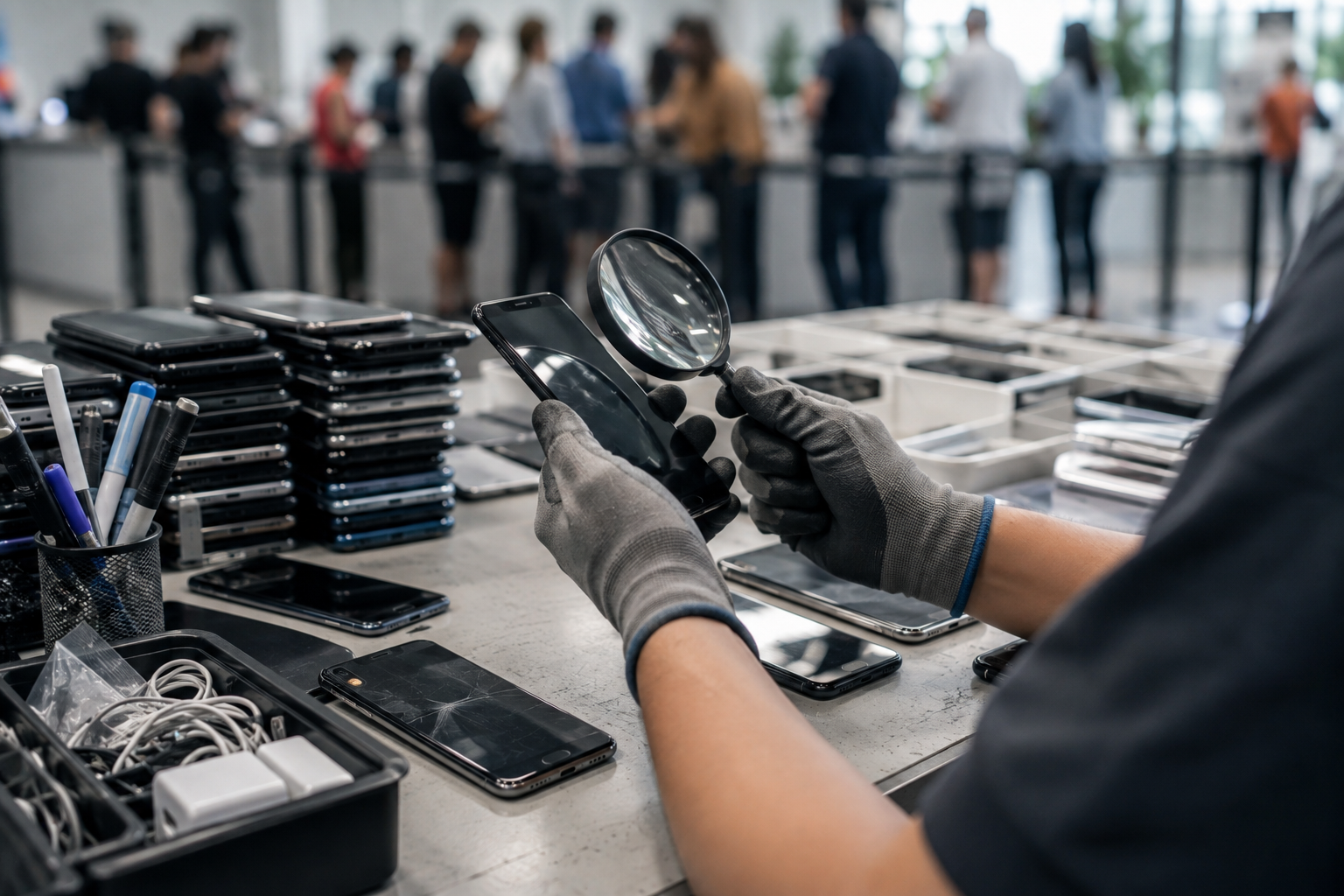
Physical inspection can reveal signs of damage, repairs, or excessive wear. Buyers should examine the screen, frame, cameras, charging port, buttons, and other visible components.
It is also useful to test basic functions before completing a purchase, including:
- Calling and mobile connectivity
- Wi-Fi and Bluetooth
- Cameras and speakers
- Charging and ports
- Touchscreen responsiveness
- Biometric features, where applicable
These checks complement an IMEI blacklist lookup by addressing the phone’s physical and functional condition.
Confirm Ownership and Device Details
Buyers should pay attention to information supplied by the seller. A device’s model, storage capacity, colour, IMEI, and other identifying details should be consistent with the actual phone.
Documentation can also provide useful context. Depending on the transaction, buyers may want to review proof of purchase, warranty information, or other relevant records.
If the seller refuses to provide basic device information or the details do not match, caution is appropriate. An IMEI verification result is more useful when it is connected to the specific handset being offered for sale.
Benefits of Making IMEI Checks a Standard Buying Step
Used smartphones can represent good value, but buyers need a process for evaluating them consistently. Making IMEI verification a routine step can help prevent an important piece of information from being overlooked.
This is especially relevant for businesses that purchase, resell, refurbish, or manage multiple mobile devices. Checking identifiers systematically can make device assessment more organised.
Build a Consistent Verification Process
Businesses and frequent buyers can create a simple checklist for every device. This makes it easier to maintain consistency when evaluating multiple smartphones.
A standard process might include:
- Record the IMEI
- Perform a blacklist check
- Compare device information
- Inspect physical condition
- Test essential functions
- Review available documentation
CellDe can support organisations looking to incorporate device verification into their workflows. A consistent approach helps make device checks easier to repeat across individual purchases or larger inventories.
Make More Informed Purchasing Decisions
The primary benefit of IMEI verification is information. Buyers can use that information to decide whether to continue with a transaction, ask additional questions, negotiate appropriately, or walk away from a questionable device.
No single check can guarantee that a used smartphone is problem-free. However, combining an IMEI blacklist lookup with a broader inspection gives buyers a stronger basis for making purchasing decisions.
Conclusion
Buying a used smartphone requires more than checking whether the device looks good and powers on. The IMEI provides an important identifier that can reveal whether a phone has been flagged in relevant blacklist databases. Performing an IMEI blacklist lookup before payment can therefore help buyers identify potential connectivity or ownership-related concerns.
A Blacklisted IMEI search should be combined with physical inspection, functionality testing, and verification of device details. This broader approach gives buyers a more complete understanding of what they are purchasing.
For individuals and businesses that regularly handle mobile devices, making IMEI verification part of the standard buying process can improve consistency and reduce avoidable surprises. With solutions from CellDe, device verification can become a practical part of evaluating used smartphones before they change hands.