ByJohn A
Plastic Dome Roof Lights: Types, Benefits and How to Choose the Right Option
Natural daylight can make a building feel more comfortable, reduce reliance on artificial lighting and improve the appearance of interior spaces. However, rooms beneath a flat roof often receive little sunlight through conventional windows. Installing plastic dome roof lights offers a practical way to bring daylight into kitchens, hallways, extensions, offices and commercial buildings. These roof-mounted units are available in different shapes, materials and sizes, allowing property owners to select an option that suits their roof structure, lighting requirements and budget.
What Are Plastic Dome Roof Lights?
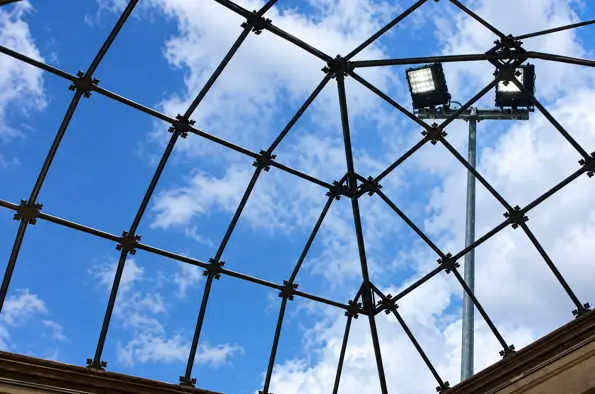
Plastic dome roof lights are roof-mounted glazing units designed to admit daylight into a building through a flat or low-pitched roof. They typically feature a raised, curved cover made from acrylic or polycarbonate, fitted to a frame and kerb that creates a secure connection with the roof.
The curved design helps rainwater drain away from the surface rather than collecting in the centre. Many models are manufactured with multiple glazing layers to improve insulation, reduce condensation and provide better protection against changing weather conditions.
These roof lights are commonly installed in domestic extensions, garages, stairwells, workshops, warehouses and commercial premises. Fixed versions provide daylight without opening, while ventilating models allow fresh air to enter when required.
Different Types Available
Choosing a suitable roof light begins with understanding the available designs. Each type offers different advantages depending on the building’s layout and intended use.
Fixed Dome Roof Lights
Fixed units remain closed and are designed primarily for daylight. They are often suitable for rooms that already have adequate ventilation through windows, extractor fans or other openings.
Their straightforward construction can make them a practical option for spaces where simplicity, weather resistance and low maintenance are priorities.
Opening Roof Lights
Opening models can be operated manually or electrically, depending on the design. They allow warm air to escape from upper parts of a room and can improve natural ventilation during warmer months.
They may be useful in kitchens, utility rooms and other areas where moisture and heat accumulate. Buyers should check the opening mechanism, weather seals and maintenance requirements before choosing a model.
Double-Glazed and Multiwall Designs
Some roof lights use two or more layers of glazing to reduce heat transfer. Multiwall polycarbonate designs contain internal chambers that can improve insulation compared with a single solid sheet.
The actual thermal performance depends on the complete unit, including its glazing, frame, seals and installation. Product specifications should therefore be checked rather than judging insulation by appearance alone.
See also: Smart Locker Installation Services: Planning, Setup, and Deployment for Modern Businesses
Understanding the Materials
Acrylic and polycarbonate are two common materials used for dome glazing. Although both are lightweight alternatives to glass, their properties differ.
Acrylic generally offers good clarity and weather resistance. It can be suitable for installations where light transmission and appearance are priorities, although its resistance to impact is typically lower than that of polycarbonate.
Polycarbonate is known for its high impact resistance and is often considered for buildings exposed to hail, falling debris or demanding working conditions. Its performance against ultraviolet radiation, scratching and long-term discolouration depends on the grade and any protective surface coating.
For buyers comparing polycarbonate roof light domes, it is worth checking the manufacturer’s information on UV protection, light transmission, impact resistance, thermal performance and expected service life. These details provide a more reliable basis for comparison than material names alone.
Where Can Dome Roof Lights Be Used?
Roof domes can suit a wide range of buildings, provided the roof construction and installation details are appropriate.
In kitchens and dining areas, they can introduce daylight into the centre of a room where side windows may provide limited coverage. In hallways and stairwells, they can brighten internal spaces that would otherwise depend on electric lighting throughout the day.
Commercial buildings may use larger roof-light installations in workshops, storage areas and circulation spaces. In homes, smaller units can work well in bathrooms, utility rooms and single-storey extensions.
The best position depends on the sun’s path, surrounding buildings, roof orientation and the room’s layout. A larger dome does not automatically produce better results; its dimensions and location should match the amount of daylight the space needs.
Choosing the Right Size and Shape
Roof lights are available in circular, square and rectangular formats, with dimensions varying by manufacturer. Before ordering, measure the available roof opening and confirm whether the unit is intended for a new installation or a replacement.
The manufacturer’s fitting dimensions are particularly important because the external frame size may differ from the structural opening required. Allowances may also be needed for the supporting kerb and waterproofing details.
For replacement projects, check the existing unit’s dimensions, mounting arrangement and compatibility with the roof structure. A unit that looks similar may not fit correctly if the frame or fixing system differs.
Consider the room beneath the roof as well. A large, south-facing installation may admit substantial sunlight and create unwanted summer heat, while a smaller unit may be sufficient for a narrow corridor. Blinds, diffusers or solar-control glazing can help manage brightness where these features are available.
Flat Roof Compatibility and Weather Protection
Flat roof dome skylights must be selected to suit the roof’s construction, covering material and drainage arrangement. Although commonly described as flat, most roofs require a slight fall to direct water towards suitable outlets.
A correctly installed roof light should have compatible flashing, secure fixings and properly sealed connections between the unit, kerb and roof covering. Poor detailing can allow water to enter the building, even if the dome itself is manufactured to a high standard.
In the UK, installations must also account for wind-driven rain, temperature changes and seasonal weather. Ask the supplier or installer about the unit’s relevant performance documentation and suitability for the intended location.
Building regulations may apply to thermal performance, ventilation, structural safety and other aspects of the installation. Requirements depend on the building and the scope of work, so check the applicable guidance before starting a project.
Maintenance and Long-Term Performance
Regular inspection helps identify small problems before they cause costly damage. Clean the dome using water, a soft cloth and cleaning products approved by the manufacturer. Abrasive pads and unsuitable solvents can scratch or damage plastic glazing.
Check the seals, frame, fixings and surrounding roof covering periodically, particularly after severe weather. Remove leaves and debris from nearby drainage points to reduce the risk of standing water.
Look for visible cracks, persistent condensation between glazing layers, discolouration or signs of water ingress. Condensation on the room-facing surface may indicate high indoor humidity or a cold surface, whereas moisture trapped between sealed glazing layers can indicate a failed seal. These problems may require different remedies.
Opening units also need attention to hinges, handles, motors and weather seals. Follow the manufacturer’s maintenance schedule and arrange repairs when components become damaged.
Making an Informed Purchase
Before purchasing a dome roof light, compare the dimensions, glazing material, number of layers, thermal performance, opening mechanism and warranty. Check whether the price includes the frame, kerb, flashing and installation accessories, as these can affect the overall project cost.
Ask about replacement parts and the availability of compatible seals or opening mechanisms. A product with clear technical documentation and accessible support can be easier to maintain over its working life.
Installation quality deserves equal consideration. An experienced roofer or qualified installer can assess the roof structure, drainage, waterproofing and internal finishing requirements before work begins.
A well-chosen dome roof light can provide useful daylight for many years, provided it suits the building and is fitted correctly. By comparing materials, assessing the space and checking installation requirements, property owners can make a practical choice that balances natural light, durability, comfort and cost.