ByJohn A
Smart Locker Installation Services: Planning, Setup, and Deployment for Modern Businesses
Businesses are adopting smart lockers to manage parcel deliveries, employee belongings, equipment distribution, and customer collections. Smart locker installation services help organizations set up these systems with suitable physical placement, reliable electrical connections, network access, and properly configured access controls. Careful installation reduces operational interruptions and helps ensure that employees, customers, and facility managers can use the lockers as intended.
A well-planned installation helps businesses avoid access problems, reduce operational interruptions, and make better use of available space. Understanding the installation process also helps facility managers choose suitable equipment, coordinate contractors, and prepare employees or customers to use the system.
What Smart Lockers Do in Commercial Environments
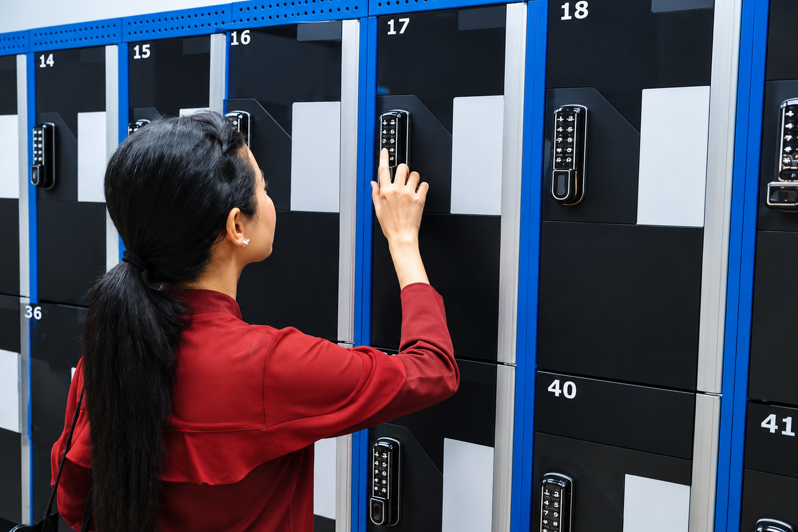
Smart lockers combine physical storage compartments with electronic access controls. Depending on the model, users can open compartments through PIN codes, RFID cards, QR codes, mobile applications, or identification systems connected to an organization’s software.
Offices use them for employee storage, document exchange, and equipment lending. Retailers use them for click-and-collect orders, while residential properties install them to simplify parcel deliveries. Warehouses, educational institutions, healthcare facilities, and manufacturing plants can also use smart lockers to distribute tools, uniforms, supplies, and other items.
The installation requirements vary according to the application. A parcel locker in a public reception area may need weather protection and customer-facing instructions. An employee locker system inside a factory may require durable materials, controlled access, and integration with existing identification systems.
Before selecting a model, businesses should identify the items being stored, the expected number of daily transactions, the number of users, and the level of access control required.
Planning the Installation Site
Site preparation should begin before the equipment arrives. Installers need accurate measurements of the available floor area, ceiling height, doorways, lifts, corridors, and delivery routes. These checks help prevent problems during transportation and positioning.
The selected location should allow users to approach the lockers comfortably without obstructing emergency exits, walkways, fire equipment, or other essential facilities. Businesses should also consider lighting, accessibility, visibility, and proximity to power outlets or network connections.
Floor conditions deserve attention, particularly for large locker banks. Installers must verify that the surface can support the equipment and that the units can be levelled securely. Wall-mounted systems require suitable structural support and approved fixing methods.
For outdoor installations, protection against rain, dust, temperature changes, and unauthorized tampering may be necessary. Electrical components and communication equipment must meet the environmental requirements of the chosen location.
A pre-installation survey helps identify these conditions early. It also gives facility managers an opportunity to resolve access restrictions, arrange electrical work, and coordinate installation around normal business activities.
How Smart Locker Installation Services Work
Professional Smart Locker Installation Services typically cover several stages, from delivery and physical assembly to software setup and final testing. The exact scope depends on the supplier, locker design, and project size.
1. Delivery and Equipment Inspection
The installation team checks the delivered lockers, electronic components, mounting hardware, control panels, and accessories against the order. Visible shipping damage and missing parts should be documented before assembly begins.
Large installations may require equipment to be distributed across multiple floors or designated zones. Planning the delivery sequence helps reduce handling, congestion, and the risk of damage.
2. Assembly and Positioning
Installers assemble modular compartments according to the manufacturer’s instructions. They align individual units, level the structure, secure the necessary connections, and apply approved anchoring methods where required.
Correct alignment matters because poorly positioned doors can interfere with electronic latches and create difficulties for users. The installation team should also check that doors open fully and that maintenance personnel can reach service panels.
3. Electrical and Network Setup
Smart lockers may need a dedicated power supply, wired network connection, or wireless connectivity. The requirements depend on the control system and the locker manufacturer’s specifications.
Qualified personnel should complete electrical work in accordance with applicable safety requirements. Network configuration should account for signal strength, connection reliability, cybersecurity policies, and any restrictions imposed by the business’s IT department.
4. Software Configuration
The control software is configured to reflect the intended use of the locker system. Tasks may include creating administrator accounts, setting access permissions, assigning compartments, configuring notifications, and connecting the platform to supported business applications.
Integration with employee directories, delivery management platforms, or property management systems should be tested before the lockers are made available to users.
5. Testing and Handover
The final stage includes testing electronic locks, user credentials, notifications, compartment assignments, and administrative controls. Installers should check representative user scenarios and confirm that failed access attempts, power interruptions, or network issues are handled according to the system’s design.
The business should receive operating instructions, maintenance information, warranty details, and administrator guidance. A documented handover makes it easier for staff to manage the system after the installation team leaves.
Why Businesses Use Outsourced Installation Services for Businesses
Managing an installation internally can require coordination between facilities, IT, procurement, electrical contractors, and operational teams. Businesses without dedicated installation staff may find it difficult to manage all these responsibilities alongside regular operations.
Outsourced installation services for businesses provide access to trained installation personnel and established deployment procedures. Depending on the contract, the service provider may manage site surveys, delivery coordination, assembly, system configuration, testing, and handover through a single project plan.
External installation teams can also help businesses coordinate multiple locations. This is useful for retailers, office networks, residential developments, and logistics operators that need consistent equipment placement and configuration across several sites.
Before appointing a provider, businesses should check its experience with the specific locker model, electrical and networking capabilities, insurance coverage, safety procedures, and availability of post-installation support.
The contract should clearly identify who is responsible for cabling, internet access, software licences, building modifications, waste removal, and repairs. Clarifying these responsibilities reduces the risk of unexpected costs and delays.
Smart Locker Install: Preparing for a Smooth Deployment
A successful Smart Locker Install depends on coordination between the installation team and the business receiving the equipment. Facility managers should appoint a project contact who can approve site arrangements, answer technical questions, and communicate schedule changes.
Before installation day, confirm that the area is clear, access routes are available, and the necessary electrical and network infrastructure is ready. Arrange building access permissions and inform employees or tenants about temporary restrictions where applicable.
IT teams should prepare approved network credentials and confirm any firewall or device-registration requirements. Administrators should also decide how user accounts will be created, how access will be revoked when someone leaves the organization, and who will respond to forgotten PINs or locked compartments.
For large deployments, a pilot installation can reveal practical issues before the same configuration is rolled out across the entire site. Testing one locker bank with a small group of users may uncover problems involving compartment sizes, interface instructions, network coverage, or everyday traffic patterns.
Choosing the Right Smart Locker Installation Provider
The lowest installation quotation may not represent the lowest total project cost. A provider’s ability to identify site constraints, coordinate technical work, and resolve installation defects can influence the overall result.
Ask prospective providers for a detailed scope of work, estimated schedule, list of exclusions, testing procedure, and handover requirements. Request examples of comparable projects, especially those involving similar locker capacities, software integrations, or building conditions.
It is also useful to establish how faults will be reported after deployment. Confirm response times, warranty responsibilities, replacement-part availability, and whether remote troubleshooting or on-site maintenance is included.
Businesses should evaluate the provider’s approach to documentation as well. Installation drawings, device records, configuration details, and maintenance instructions can simplify future expansion and troubleshooting.
For multi-site projects, consistent reporting and standard installation procedures make it easier to compare progress and maintain similar operating conditions across locations.
Maintaining Performance After Installation
Smart lockers require ongoing attention even after commissioning. Routine inspections can identify loose fittings, damaged doors, worn components, and other physical issues before they interrupt daily use.
Software and firmware should be maintained according to the manufacturer’s guidance and the organization’s security policies. Administrator accounts should be reviewed periodically, access permissions should reflect current responsibilities, and unused credentials should be disabled.
Businesses should also monitor recurring faults, failed access attempts, and user complaints. These records can help identify whether a problem stems from hardware wear, network instability, unclear instructions, or an unsuitable locker configuration.
Preventive maintenance arrangements are particularly useful for systems that support parcel deliveries, manufacturing operations, or essential equipment distribution. A clear escalation process helps staff respond when a compartment fails to open or the control system becomes unavailable.
Conclusion
Smart lockers can support secure storage, parcel management, equipment distribution, and controlled access across a range of commercial settings. Their practical value depends on suitable site planning, correct assembly, reliable connectivity, accurate software configuration, and thorough testing.
Businesses that prepare their facilities and IT systems before installation are better positioned to avoid delays and reduce operational disruption. Choosing a qualified installation provider, documenting responsibilities, and establishing a maintenance plan also help protect the investment over time.