
ByJohn A
Choosing an AOD-9604 Supplier: Quality, Testing and Documentation
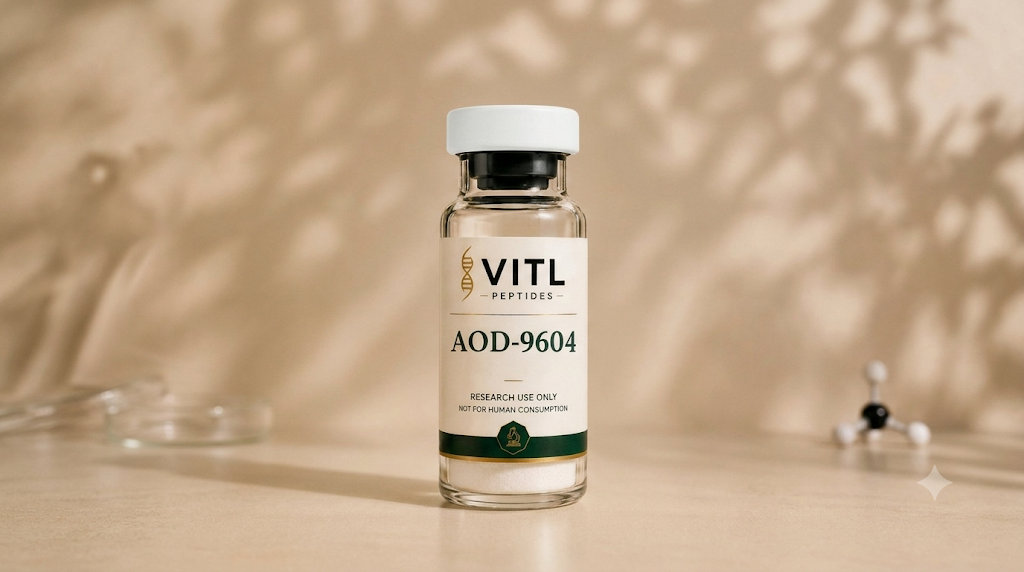
Selecting an AOD-9604 Supplier requires more than comparing product descriptions or prices. For laboratory professionals and research organisations, product quality, testing methods and reliable documentation should guide the decision. AOD-9604 is a synthetic peptide fragment derived from a specific region of human growth hormone (hGH), supplied for controlled laboratory and analytical research. Its research context includes studies of metabolic signalling, lipid metabolism and peptide structure-function relationships. Vitl Peptides provides AOD-9604 in lyophilised form, with product specifications and batch-related testing information. Understanding what to check before selecting a supplier can help research teams assess product consistency, review available evidence and make informed decisions about laboratory materials.
Why Supplier Selection Deserves Careful Attention
Research materials need to meet specific laboratory requirements. Differences in product identity, purity, handling and batch documentation can affect how researchers assess the materials used in their work. A reliable supplier should provide clear information about the peptide rather than relying on broad quality claims. Researchers should be able to review the product specifications, understand the testing methods and access relevant batch records.
Several factors deserve attention during supplier selection:
● Product identity: The supplier should clearly identify the peptide and its specifications.
● Purity information: Reported purity should be supported by suitable analytical testing.
● Batch consistency: Documentation should relate to the actual batch being supplied.
● Storage guidance: Handling and storage information should be available.
● Traceability: Batch references should make it easier to connect the product with its test records.
These details give research teams a clearer basis for evaluating the suitability of laboratory materials.
Checking Product Quality Before Making a Decision
Product quality starts with accurate specifications. A supplier should explain the form, stated quantity and identifying details of the material.
AOD-9604 is commonly supplied as a lyophilised powder. Lyophilisation is a drying process that removes water under controlled conditions. The resulting material requires suitable storage and handling to protect its documented characteristics.
Before choosing an AOD-9604 Supplier, check the following product details:
1. Peptide identity
The product description should identify AOD-9604 clearly. Researchers should check that the documentation refers to the same peptide rather than a similar compound or another peptide fragment.
2. Purity specifications
Purity indicates the proportion of the analysed sample attributed to the target compound under the stated testing method. A supplier may advertise a high purity percentage, but the figure should be supported by an appropriate laboratory report.
3. Product quantity and form
Check the stated quantity, presentation and product specifications. These details should match the information provided in the accompanying documentation.
4. Batch identification
Each batch should have a clear reference number. This allows researchers to connect the physical product with its corresponding Certificate of Analysis and other relevant records.
Understanding Independent Testing and HPLC Reports
Testing provides evidence that supports a supplier’s quality claims. However, the value of a test report depends on the method used, the results recorded and the batch it covers.
High-Performance Liquid Chromatography (HPLC) is one analytical technique used to assess peptide purity. It separates components within a sample, allowing analysts to examine the resulting profile and estimate the proportion associated with the target compound.
An HPLC report should provide enough information for researchers to understand the reported result. Useful details include:
● Name or identification of the tested material.
● Batch or lot reference.
● Reported purity percentage.
● Testing method.
● Date of analysis.
● Laboratory identification, where available.
Some suppliers also provide mass spectrometry results. This technique can help assess molecular mass and support the identification of the target compound. HPLC and mass spectrometry provide different types of analytical information, so one should not automatically be treated as a replacement for the other. Endotoxin testing is another separate consideration. It assesses the presence of bacterial endotoxins in a sample. Researchers should review the test method, reported result and stated acceptance criteria rather than assuming that a purity result covers endotoxin levels.
A useful research peptide supplier should make the available test information clear and avoid presenting one laboratory result as proof of every aspect of product quality.
What Should a Certificate of Analysis Include?
A Certificate of Analysis (COA) is one of the most useful documents to review before evaluating research materials. It records analytical information about a particular product batch and allows researchers to compare stated specifications with the reported test results.
A properly presented COA should contain several important details:
| COA detail | Why it matters |
| Product name | Identifies the material tested |
| Batch number | Connects the report to a specific lot |
| Purity result | Shows the reported analytical purity |
| Testing method | Explains how the sample was assessed |
| Test date | Provides the date of analysis |
| Laboratory details | Helps establish testing traceability |
| Additional test results | Provides information on other tested parameters |
Researchers should check that the batch number on the COA matches the product documentation. A report for a different batch does not establish the test results of the material being reviewed.
It is also worth checking whether the document is complete and readable. Missing test dates, unclear product names or unexplained results can make independent assessment difficult.
Vitl Peptides presents batch-related testing information for its AOD-9604 product, including an HPLC purity report and a separate endotoxin certificate. Its product information also identifies the material as a 5mg lyophilised powder and provides a specific batch reference. These details give researchers information to review when assessing the available documentation.
Storage and Handling Information Matter Too
Product testing is only one part of quality assessment. Storage and handling guidance should also be available, particularly for materials supplied in lyophilised form. Exposure to unsuitable environmental conditions can affect the stability of laboratory materials. Light, moisture and temperature fluctuations are among the factors that researchers may need to consider.
A supplier should provide clear documentation covering:
● Recommended storage conditions.
● Protection from light and moisture.
● Relevant temperature requirements.
● Product handling precautions.
● Disposal guidance.
● Reference to applicable laboratory procedures.
Researchers should follow the product documentation, institutional standard operating procedures (SOPs) and applicable safety requirements. A supplier that provides clear handling information makes it easier for laboratory teams to assess the requirements associated with receiving and storing research materials.
Other Factors to Consider When Comparing Suppliers
Testing and documentation should remain central to supplier comparisons, but other practical details can also affect the purchasing decision.
Clear product information: Product descriptions should explain the material, quantity, form and intended research-only status without making unsupported claims.
Availability of documentation: Researchers should be able to identify which records are available for each batch before making a decision.
Communication: A supplier should be able to respond clearly to questions about product specifications, certificates and documentation.
Shipping information: Check the stated dispatch arrangements, tracking availability and packaging information. These details help research organisations plan deliveries and maintain appropriate receiving procedures.
Regulatory awareness: Requirements for purchasing, possessing and handling research peptides can differ between countries. UK-based organisations should check the relevant legal and institutional requirements before placing an order.
A research peptide supplier should also make the intended research-only status clear. Research materials must not be presented as approved medicines or products for human or veterinary consumption.
Making a More Informed Supplier Choice
Choosing a supplier should involve reviewing evidence rather than relying on advertising claims alone. Product specifications, batch identification, analytical testing and clear documentation provide a practical starting point for evaluating research materials. Vitl Peptides offers product information alongside batch-related quality records for AOD-9604, giving qualified research buyers documentation to examine before making their own assessment. Reviewing these details carefully helps research organisations understand what information is available and whether it meets their laboratory requirements.
A considered selection process supports better purchasing decisions and encourages greater transparency throughout laboratory research procurement. Contact us today to enquire about AOD-9604 product specifications, batch documentation and available testing records for qualified laboratory research requirements.
