ByJohn A
Barefoot Training Shoes for Improving Ground Feel During Exercise
The way your feet interact with the ground can influence how you move, balance, and perform during exercise. Whether you are lifting weights, practicing yoga, completing functional fitness workouts, or performing bodyweight exercises, the connection between your feet and the training surface plays an important role in movement awareness. Barefoot training shoes are designed to create a more natural underfoot experience, allowing wearers to feel the ground more directly than they might in conventional athletic footwear.
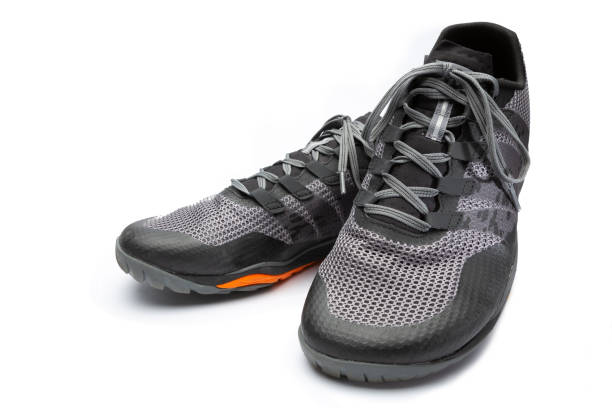
Unlike heavily cushioned trainers, barefoot-style shoes generally feature thin, flexible soles, a lightweight construction, and a foot-shaped design that provides room for the toes. These characteristics can help users develop greater awareness of foot placement and movement during suitable exercises. However, the benefits depend on the activity, the surface, individual foot health, and how gradually someone adapts to this type of footwear.
Understanding how barefoot training shoes work can help fitness enthusiasts decide whether they are a practical addition to their exercise routine. From improving sensory feedback to encouraging more deliberate movement, these shoes offer a different approach to training that prioritizes the relationship between the feet and the ground.
Understanding Ground Feel in Physical Training
Ground feel refers to the amount of information your feet receive from the surface beneath them. When your feet contact the floor, sensory receptors in the skin, muscles, tendons, and joints help your nervous system interpret pressure, position, and movement. This information contributes to balance, coordination, and the adjustments your body makes while exercising.
Footwear influences how much of this information reaches you. Thick, heavily cushioned soles can reduce the sensation of surface details, while thinner and more flexible soles generally allow a more immediate perception of the ground.
Why Sensory Feedback Matters During Exercise
Sensory feedback helps you recognize how your weight is distributed across your feet. During a squat, for example, you may notice whether pressure shifts toward your toes or heels. During a standing balance exercise, you might become more aware of small adjustments around the ankles and feet.
This awareness can encourage more intentional movement. Instead of completing repetitions without paying attention to your foot position, you can use the sensations underfoot as one source of information when refining your technique.
Ground feel does not automatically improve strength, balance, or athletic performance. It is one component of movement awareness that works alongside muscular control, joint mobility, visual information, and practice.
How Barefoot Training Shoes Differ From Conventional Trainers
Traditional athletic shoes often prioritize cushioning, impact absorption, structured support, or sport-specific performance features. Barefoot training shoes generally take a different approach by minimizing material between the foot and the ground.
Common design characteristics include:
- Thin soles: Reduce the distance between the feet and the training surface.
- Flexible construction: Allows the shoe to bend more naturally as the foot moves.
- Wide toe boxes: Provide room for the toes to spread rather than forcing them into a narrow shape.
- Low or zero heel-to-toe drop: Keeps the heel and forefoot at approximately the same height.
- Lightweight materials: Reduce the amount of footwear surrounding the feet.
Not every minimalist shoe includes all these features. Some models provide modest cushioning or additional structure, so checking the design is important before choosing a pair for a particular activity.
How Barefoot Training Shoes Can Improve Ground Awareness
The main attraction of barefoot training shoes is their potential to make the foot’s interaction with the floor more noticeable. This can be useful during controlled movements where stability, pressure distribution, and precise positioning matter.
Encouraging More Conscious Foot Placement
During strength training, small changes in foot placement can influence comfort and movement mechanics. A wider stance, a slight adjustment in toe angle, or a more even distribution of pressure may change how an exercise feels.
A flexible, thin-soled shoe can make these differences easier to perceive. For instance, while performing a bodyweight squat, you may become more conscious of whether your weight remains distributed across the heel, the base of the big toe, and the base of the little toe.
This awareness can support better technique when combined with coaching and appropriate exercise instruction. It should not be treated as a guarantee of correct form, since individual anatomy and movement requirements vary.
Supporting Balance and Proprioception
Proprioception is the body’s ability to sense the position and movement of its parts. It helps you maintain posture, coordinate movements, and respond to changes in your surroundings.
Barefoot-style footwear may provide more detailed sensory information about the training surface because less material separates the feet from the ground. During appropriate balance drills, this additional information may help some people become more attentive to shifts in pressure and body position.
However, better ground sensation does not necessarily translate into superior balance for everyone. Balance depends on several systems, and results vary according to experience, health, training conditions, and the complexity of the activity.
Allowing Natural Toe Movement
The toes contribute to balance and help the foot adapt to different positions during movement. When footwear provides sufficient room, the toes can spread more freely during suitable standing exercises.
A wide toe box may feel especially comfortable to people who find conventional athletic shoes restrictive. It can also make it easier to notice how the toes interact with the floor during controlled movements.
Natural toe movement should not be confused with forcing the toes to spread or gripping the ground excessively. The aim is comfortable, functional movement rather than creating unnecessary tension.
Exercises That Benefit From Better Ground Feel
Barefoot training shoes are particularly worth considering for controlled activities performed on clean, stable surfaces. Their suitability depends on the exercise and the demands it places on the feet.
Strength Training and Weightlifting
Exercises such as bodyweight squats, deadlifts, and certain machine-based movements may benefit from a stable, relatively thin sole. A firm connection with the floor can help some lifters feel more grounded while positioning themselves for a repetition.
For example, during a controlled deadlift, a minimalist shoe may allow you to notice how pressure shifts between the front and back of your feet. This can encourage more deliberate setup and consistent foot placement.
Nevertheless, footwear requirements vary between lifting styles. Olympic weightlifting often benefits from specialized shoes with raised heels, while some lifters prefer minimalist footwear for deadlifts. Choose shoes according to your technique, mobility, experience, and the exercise being performed.
Yoga, Mobility, and Bodyweight Exercises
Balance-focused yoga poses, mobility drills, and controlled bodyweight movements can provide opportunities to explore foot awareness. Feeling the floor directly may help you notice how your weight moves as you transition between positions.
During single-leg standing exercises, for example, you can pay attention to how the supporting foot responds to small changes in balance. During slow lunges, you can observe how pressure changes as you bend the front knee and move through the repetition.
These exercises are best introduced on a stable, nonslip surface. Barefoot-style footwear is not necessary for every yoga or mobility practice, and some activities may be more comfortable when performed without shoes, depending on the setting and the instructor’s guidance.
Functional Fitness and Movement Drills
Controlled step-ups, balance drills, and selected bodyweight circuits can also be suitable for minimalist footwear. These movements allow you to explore how your feet respond to changes in direction, stance, and pressure.
However, high-impact jumps, rapid lateral movements, and exercises involving heavy loads require more careful consideration. A thin sole offers less protection against sharp objects and may provide less impact cushioning than conventional athletic footwear.
For dynamic training, prioritize secure traction, appropriate protection, and the specific requirements of the exercise rather than choosing shoes based on ground feel alone.
Choosing the Right Barefoot Training Shoes
Finding a suitable pair involves more than selecting the thinnest sole available. Comfort, fit, grip, durability, and intended use should all influence your decision.
Check the Sole Thickness and Flexibility
A thinner sole can provide a closer sensation of the ground, but it also offers less protection from rough surfaces and unexpected objects. Beginners may find a slightly thicker minimalist sole more comfortable while adjusting to reduced cushioning.
Flexibility matters as well. The shoe should allow natural foot movement without folding in ways that create discomfort or compromise stability during the intended activity.
Look for a Comfortable Toe Box
Your toes should have enough room to move without rubbing against the sides of the shoe. A foot-shaped design can provide additional space, but the correct fit depends on your individual foot width and shape.
Try the shoes while standing and walking. Check for pressure points, heel slipping, excessive movement inside the shoe, or contact between the toes and the front of the footwear.
Prioritize Grip and Surface Compatibility
A minimalist shoe should still provide reliable traction. The outsole needs to suit the flooring you use, whether that is a gym floor, rubber training mat, or another approved exercise surface.
Check the manufacturer’s guidance about indoor and outdoor use. A shoe designed for smooth indoor flooring may not provide adequate grip on wet pavement, loose gravel, or uneven trails.
Transitioning Safely to Minimalist Footwear
Moving directly from highly cushioned shoes to minimalist footwear can increase the demands placed on muscles, tendons, and other structures in the feet and lower legs. A gradual transition gives your body time to adjust.
Begin With Short, Low-Intensity Sessions
Start by wearing the shoes for a brief period during simple activities, such as standing exercises or light bodyweight movements. Keep the initial sessions short and increase their duration only when your feet and lower legs tolerate the change comfortably.
Avoid immediately using minimalist shoes for long runs, high-volume jumping, or demanding conditioning sessions if you are unfamiliar with this footwear.
Increase Training Demands Gradually
Once short sessions feel comfortable, introduce additional exercises or slightly longer periods of use. Change one variable at a time, such as session duration, exercise difficulty, or training frequency.
Pay attention to unusual soreness, tenderness, or discomfort. Persistent or worsening symptoms are reasons to reduce the workload and seek advice from a qualified healthcare professional when appropriate.
Recognize When Extra Support May Be Needed
Barefoot training shoes are not the best choice for every person or situation. People with reduced foot sensation, certain foot conditions, a history of stress injuries, or medical concerns affecting their feet should seek individualized professional guidance before making a substantial footwear change.
Likewise, anyone exercising on rough, hot, cold, or potentially hazardous surfaces should consider the protection required. Greater ground feel is useful only when the training environment remains appropriate and safe.
Common Mistakes to Avoid When Training in Barefoot Shoes
Although minimalist footwear can offer a different training experience, a few common mistakes may limit its usefulness.
- Switching too quickly: Using the shoes for every workout immediately can place unfamiliar demands on the feet and calves.
- Assuming thinner always means better: Ground sensation must be balanced with protection, grip, and comfort.
- Ignoring exercise requirements: Running, jumping, lifting, and mobility work place different demands on footwear.
- Overlooking technique: Shoes cannot correct poor movement patterns without practice and appropriate instruction.
- Ignoring discomfort: Persistent pain should not be dismissed as a normal part of adapting.
Treat barefoot training shoes as a tool rather than a shortcut to better performance. Their value depends on how well they match your needs and how thoughtfully you incorporate them into your routine.
Conclusion
Barefoot training shoes offer a distinctive way to experience the connection between your feet and the ground. Their thin, flexible soles and spacious toe boxes can make foot placement, pressure changes, and surface contact more noticeable during suitable exercises. Brands such as TYR US offer options for athletes exploring minimalist footwear and a more natural-feeling training experience. This increased awareness may support more deliberate movement, particularly during controlled strength training, balance drills, and mobility work.
The best results come from combining suitable footwear with sound technique, progressive training, and attention to comfort. A minimalist design is not automatically superior to conventional athletic shoes, and greater ground feel does not guarantee improved performance or injury prevention.
Before choosing a pair, consider your exercise routine, training surface, foot health, and preferred level of protection. Start gradually, monitor your body’s response, and select footwear that supports the way you actually train. With a thoughtful approach, barefoot training shoes can become a useful option for exploring foot awareness and developing a more intentional relationship with movement.