ByJohn A
How Secure Data Destruction in Las Vegas Helps Prevent Data Breaches
Businesses handle large amounts of sensitive information every day, including customer records, financial documents, employee details, and confidential business files. When this information is stored on computers, servers, hard drives, and other electronic devices, it must be protected throughout its lifecycle. Secure data destruction in Las Vegas helps businesses reduce the risk of data breaches by ensuring that sensitive information is permanently removed from storage devices before they are reused, recycled, or discarded.
Simply deleting files or formatting a device may not eliminate the information stored on it. Data can sometimes be recovered using specialised software, creating potential security risks when old equipment leaves an organisation’s control. A structured data destruction process helps prevent unauthorised access, supports responsible IT asset management, and strengthens an organisation’s overall information security practices.
Understanding Secure Data Destruction
Secure data destruction is the process of making stored information permanently inaccessible so that unauthorised individuals cannot retrieve or misuse it. It applies to electronic storage devices that contain confidential, personal, financial, or operational information.
Why Deleting Files Is Not Enough
When a user deletes a file, the operating system may only remove the reference to that file rather than immediately erase its underlying data. The information may remain on the storage device until it is overwritten or otherwise rendered inaccessible.
Formatting a hard drive may also leave data recoverable, depending on the method used and the type of storage device. Businesses that rely only on basic deletion methods could unintentionally expose sensitive information when equipment is sold, donated, recycled, or discarded.
Secure destruction methods address this risk by making the stored information unrecoverable through an appropriate, verified process.
Which Devices Require Data Destruction?
Many types of business equipment can contain sensitive information. These include desktop computers, laptops, external hard drives, solid-state drives, USB flash drives, memory cards, servers, backup tapes, and network-attached storage devices.
Printers, photocopiers, and multifunction office machines may also retain documents or configuration information in internal storage. Identifying every device that may contain data is an important first step in preventing information exposure.
How Secure Data Destruction Helps Prevent Data Breaches
Data breaches can occur when confidential information becomes accessible to people who do not have permission to view it. Improperly discarded or transferred equipment can create an overlooked route for this exposure.
Preventing Unauthorised Data Recovery
Old storage devices may contain information that remains accessible even after a business has stopped using them. If these devices are misplaced or obtained by an unauthorised person, the stored information could potentially be recovered.
Secure data destruction reduces this risk by ensuring that information is erased using suitable sanitisation methods or that the storage media is physically destroyed when necessary.
This is especially important for organisations that regularly replace computers, upgrade servers, or retire large volumes of IT equipment.
Protecting Customer and Employee Information
Businesses often store personal information such as contact details, employment records, identification documents, and financial data. Exposure of these records can create privacy concerns and may contribute to identity theft, fraud, or other forms of misuse.
A documented data destruction process helps organisations protect this information when devices reach the end of their useful life. It also encourages employees to treat data protection as an ongoing responsibility rather than a task limited to active computer systems.
Reducing Risks During Equipment Disposal
Selling, donating, or recycling old IT equipment can support responsible resource management. However, transferring equipment without addressing its stored data can create unnecessary security risks.
Before any device leaves the organisation’s control, businesses should determine whether its data must be sanitised or whether the storage media requires physical destruction. This decision should reflect the sensitivity of the information, the device type, and any applicable retention requirements.
Common Methods of Secure Data Destruction
The most appropriate destruction method depends on the storage technology, the sensitivity of the information, and whether the device needs to remain usable.
Data Wiping and Sanitisation
Data wiping uses appropriate techniques to remove stored information from a device. Depending on the device and the sanitisation method, the process may allow the equipment to be reused while preventing recovery of the previous data.
Businesses should select methods suitable for the specific storage technology. For example, solid-state drives may require specialised sanitisation techniques because their internal data management differs from that of traditional hard drives.
Verification is important because a completed software operation does not automatically prove that every area of a device has been sanitised successfully.
Physical Destruction of Storage Media
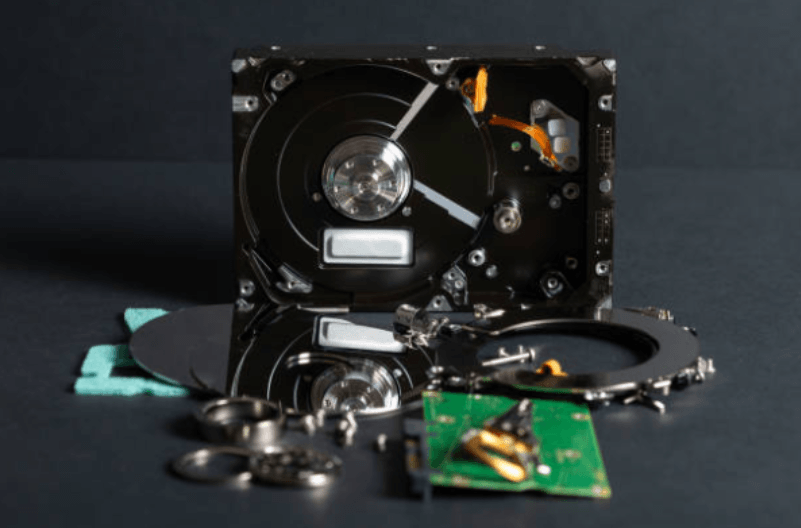
Physical destruction damages the storage medium so that it cannot function normally or provide access to its stored information. Methods may include specialised shredding, crushing, or other controlled destruction techniques appropriate to the device.
This approach may be suitable for highly sensitive information, damaged storage devices, or media that cannot be reliably sanitised. However, the method must be appropriate for the storage technology and the organisation’s security requirements.
Choosing the Right Method
Businesses should consider data sensitivity, recovery risks, equipment condition, and future reuse requirements when selecting a destruction method. A clear policy helps ensure that similar devices containing comparable information receive consistent treatment.
Supporting Compliance and Data Protection Responsibilities
Organisations may have legal, contractual, or industry-specific responsibilities concerning the handling and disposal of sensitive information. Secure data destruction can form an important part of meeting these obligations.
Maintaining Records of Destruction
Documentation helps businesses demonstrate that retired storage devices were handled according to established procedures. Records may include asset identification numbers, destruction dates, methods used, and verification results.
Certificates of destruction may also be available through service providers, depending on the service and process used. Businesses should ensure that the documentation accurately reflects the work completed.
Maintaining these records improves accountability and helps organisations investigate potential security concerns if questions arise later.
Following Data Retention Requirements
Not all information should be destroyed immediately. Some business records may need to be retained for legal, regulatory, operational, or contractual reasons.
Before destroying a storage device, organisations should confirm that the information is no longer subject to a retention requirement, legal hold, or other restriction. Secure destruction should take place only after the appropriate authorisation has been obtained.
Industries That Benefit from Secure Data Destruction
Secure data destruction is relevant to organisations of different sizes and across many industries. Any business that stores confidential information on electronic devices can benefit from a planned destruction process.
Healthcare and Financial Services
Healthcare organisations may store patient records and other confidential information, while financial businesses may handle transaction records, account information, and sensitive financial documents. Improper disposal of devices containing these records can create significant privacy and security risks.
Appropriate sanitisation, physical destruction where necessary, and reliable documentation help these organisations manage information securely.
Offices, Educational Institutions, and Government Organisations
Offices may retain employee information, internal communications, contracts, and client records. Educational institutions may store student records, while government organisations may handle sensitive administrative information.
A consistent data destruction policy helps these organisations manage retired equipment and reduce the likelihood of accidental information disclosure.
Best Practices for Preventing Data Breaches
Secure data destruction works best when it forms part of a broader information security strategy.
Maintain an Accurate IT Asset Inventory
Businesses should track storage devices throughout their lifecycle, from acquisition and use to retirement and disposal. Asset records help identify which devices contain sensitive information and establish accountability for each item.
The inventory should be updated whenever equipment changes ownership, moves between locations, or is removed from service.
Restrict Access to Retired Devices
Equipment awaiting destruction should be stored securely, with access limited to authorised personnel. Devices should not be left unattended in public areas or transferred without proper records.
Businesses should also establish procedures for transporting equipment to approved destruction locations and maintaining custody throughout the process.
Verify the Destruction Process
Organisations should confirm that the selected method was completed successfully and that the result meets their security requirements. Verification records provide evidence that the process was performed rather than simply requested.
Staff training, periodic policy reviews, and clear responsibilities can further reduce the chance of mistakes during equipment disposal.
Conclusion
Secure data destruction in Las Vegas helps businesses prevent data breaches by reducing the risk of sensitive information being recovered from retired or discarded electronic devices. Through appropriate sanitisation, physical destruction when necessary, secure equipment handling, and reliable documentation, organisations can strengthen their data protection practices.
The process should begin with an accurate equipment inventory and a clear understanding of data retention responsibilities. By selecting suitable destruction methods, restricting access to retired devices, and verifying the results, businesses can reduce information security risks and manage the end of the IT equipment lifecycle more responsibly.