ByJohn A
What to Do During a Plumbing Emergency in Canberra: Practical Advice for Homeowners
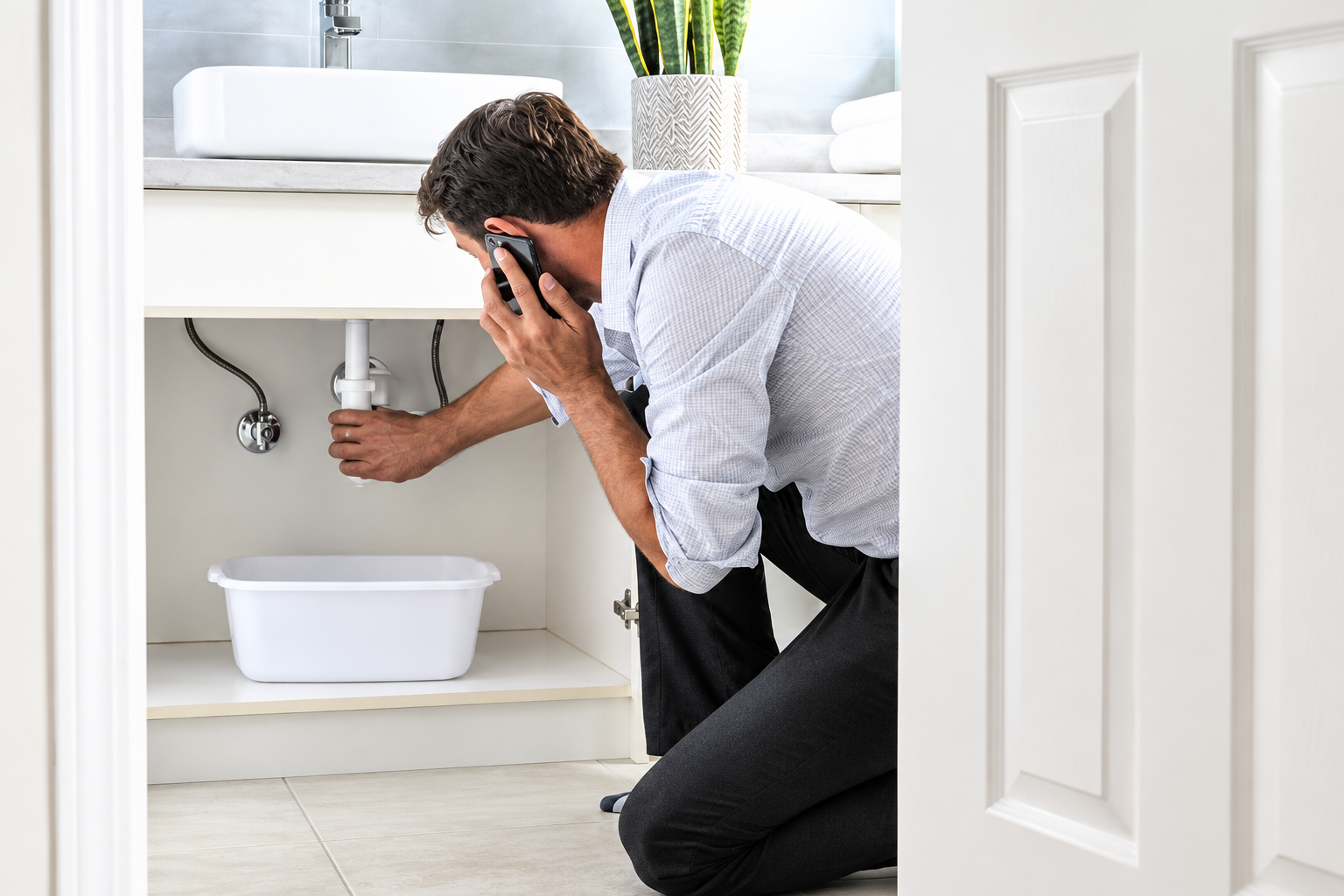
A burst pipe, overflowing toilet or sudden loss of hot water can disrupt a household and cause expensive damage if left untreated. Knowing how to respond before a tradesperson arrives can help protect your property and reduce unnecessary repairs. An emergency plumber in Canberra residents call should be able to assess urgent problems, identify the source of the fault and recommend a safe repair. Until professional help arrives, a few practical steps can limit water damage and help you make informed decisions about the work required.
Plumbing Problems That Need Immediate Attention
Not every plumbing fault requires an urgent callout, but some problems should never be left until the next business day. Water escaping from a pipe inside a wall, sewage backing up through a floor drain or a hot water system leaking heavily can pose risks to your home and household.
A burst water pipe is particularly serious because water can spread beneath flooring, soak plasterboard and damage electrical fittings. If a toilet overflows and wastewater enters living areas, the affected space may also become a hygiene concern. A gas smell near a gas-powered hot water system requires immediate attention because it may indicate a dangerous leak.
Other issues, such as a dripping tap or a slow-draining bathroom basin, can often wait for a scheduled appointment unless the problem worsens or affects essential facilities. Assessing the severity of the fault helps you decide how quickly to seek assistance.
First Steps to Take Before the Plumber Arrives
Your first priority is to make the area safe and stop further damage where possible. You do not need specialist tools to take several useful precautions.
Shut off the water supply
For a burst pipe or major leak, turn off the water at the main stop tap if it is safe to reach. In many Canberra homes, the water meter and associated shut-off valve are located near the front boundary of the property. The exact position varies, so it helps to locate the valve before an emergency occurs.
If the leak is confined to a toilet, basin or washing machine, an individual isolation valve may allow you to stop the supply without cutting water to the whole house.
Protect electrical safety
Water near power points, appliances, switchboards or ceiling lights creates a risk of electric shock. Keep people away from the affected area. Do not touch wet electrical equipment or walk through standing water where electrical hazards may be present. If there is a risk involving live electricity, contact emergency services or a qualified electrician as appropriate.
Limit damage to belongings
Move furniture, rugs and valuables away from the water if you can do so safely. Use buckets or towels to catch small amounts of water, but do not attempt to clean up sewage without suitable protection and guidance.
Take photographs of the damage before major cleaning begins. These records may help if you need to make a home insurance claim.
Why Canberra Homes Can Experience Plumbing Emergencies
Canberra’s seasonal weather can place different demands on residential plumbing. Winter temperatures can fall below freezing, particularly overnight, increasing the risk of exposed pipes freezing in susceptible locations. Water expands as it freezes, potentially damaging pipework and causing leaks when the ice thaws.
Outdoor taps, pipes in uninsulated roof spaces and plumbing in garages or other unheated areas deserve particular attention during cold periods. Insulating exposed pipes and repairing damaged fittings can reduce the chance of future problems.
Tree roots are another common cause of blocked or damaged underground drains. Roots may enter small cracks or loose joints in older pipes, gradually restricting wastewater flow. Residents may notice repeated toilet blockages, gurgling drains or unpleasant smells before a complete obstruction develops.
Ageing fixtures, worn seals, corrosion and excessive pressure can also contribute to sudden leaks. Regular inspections may identify these faults before they develop into costly emergencies.
Choosing the Right Emergency Plumbing Service
A reliable tradesperson should be able to explain the immediate problem, outline the proposed repair and provide clear information about charges. During an urgent call, describe the symptoms rather than trying to diagnose the fault yourself.
For example, explain whether water is leaking continuously, whether several drains are blocked or whether the hot water system has stopped working completely. Mention any sewage overflow, ceiling damage or electrical concerns so the plumber can assess the urgency.
Ask the provider about their estimated arrival time, callout fee, after-hours rates and any additional charges for parts or complex repairs. A clear explanation of costs helps you make a decision without unnecessary pressure.
Check that the person undertaking the work holds the appropriate plumbing licence for the job in the ACT. Gasfitting work requires the relevant authorisation as well. You can verify licensing requirements through the ACT Government’s official licensing information rather than relying solely on advertising claims.
What to Expect From Emergency Plumbing Canberra Services
Professional emergency plumbing in Canberra services generally begin with an assessment of the immediate hazard. The plumber may isolate the affected pipe, test the system, inspect accessible fittings or use specialised equipment to investigate a blocked drain.
The first visit may focus on making the property safe and restoring essential services. A temporary repair might be necessary if replacement parts are unavailable or the damaged section cannot be fully accessed at night. The plumber should explain what has been fixed, what remains unresolved and whether a follow-up appointment is required.
For blocked drains, methods may include mechanical drain clearing or high-pressure water jetting, depending on the pipe condition and obstruction. A CCTV drain inspection can help identify tree roots, cracks or collapsed sections when a recurring blockage needs further investigation.
For leaking pipes, the repair may involve replacing a damaged section, tightening a failed connection or renewing a worn fitting. The appropriate solution depends on the pipe material, location and extent of the damage.
A useful service should also explain how to reduce the likelihood of the same fault happening again.
Finding Help Outside Normal Business Hours
Plumbing faults rarely follow a convenient schedule. A pipe may rupture late at night, or a toilet may become unusable on a public holiday. In these circumstances, an after hours plumber canberra residents contact should explain their availability and the likely cost before attending.
Before agreeing to a callout, confirm whether the provider covers your suburb, how quickly they expect to arrive and whether the quoted fee includes the initial inspection. Ask if labour rates change on weekends or public holidays.
You should also clarify whether the provider can complete the repair during the first visit or may need to return with additional equipment or replacement parts. These questions help you plan, particularly if the household has young children, older residents or someone with mobility needs.
If the problem is not immediately dangerous, ask whether a temporary measure can safely control it until normal business hours. However, a major leak, sewage overflow or suspected gas leak should not be ignored simply to avoid an after-hours fee.
How to Reduce the Risk of Future Emergencies
A small amount of preventative maintenance can help identify faults before they cause significant damage.
- Inspect visible pipes: Look for corrosion, damp patches, loose connections and unexplained water stains beneath sinks or around hot water systems.
- Keep drains clear: Avoid pouring cooking fat, coffee grounds or food scraps into kitchen sinks. Use suitable drain covers to catch hair in showers and bathroom basins.
- Monitor water pressure: Unusually high pressure can strain plumbing fittings. A licensed plumber can assess the system and recommend suitable pressure control where necessary.
- Check outdoor plumbing: Inspect garden taps and exposed pipework before winter, and address damaged insulation or fittings.
- Arrange repairs promptly: Repeated blockages, slow leaks and gurgling sounds can signal a developing fault that deserves investigation.
It is also worth knowing where your main water shut-off valve is located and keeping the plumber’s contact details somewhere accessible. These simple preparations can save valuable time during a stressful situation.
Making Sensible Decisions During a Plumbing Emergency
A plumbing emergency can be disruptive, but a calm response helps prevent a bad situation from becoming worse. Stop the water supply when safe, keep clear of electrical hazards, protect belongings and explain the symptoms clearly when requesting assistance.
Use a licensed professional for the relevant work, ask for transparent pricing and make sure you understand any temporary repairs or recommended follow-up work. Once the immediate fault has been resolved, investigate the underlying cause so the same problem is less likely to return.
Knowing these steps in advance gives Canberra homeowners a practical way to protect their property, manage urgent repairs and make better decisions when unexpected plumbing problems occur.