ByJohn A
Steam Turbine Bucket Repair: Inspection Methods, Common Damage, and Repair Techniques
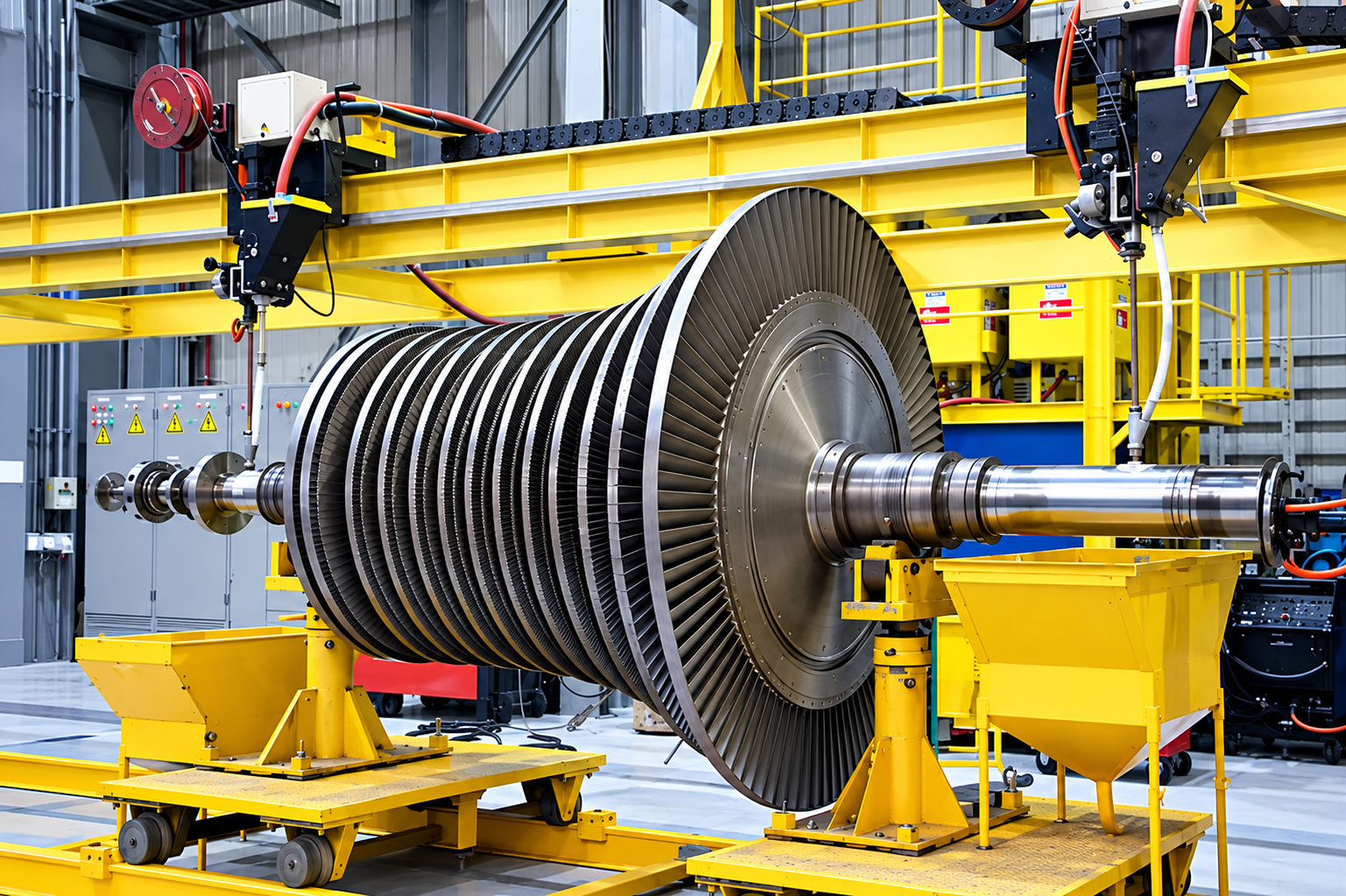
Steam turbines operate under high temperatures, rotational speeds, and mechanical loads that gradually affect their internal components. Buckets, commonly called blades in many turbine designs, guide and extract energy from expanding steam. Damage to these components can reduce efficiency, increase vibration, and threaten reliable operation. Steam turbine bucket repair requires a careful assessment of material condition, operating history, and manufacturer specifications to determine whether a component can be restored safely or needs replacement.
Why Turbine Buckets Require Regular Inspection
Turbine buckets experience demanding conditions throughout their service life. Steam pressure, temperature changes, centrifugal forces, and moisture can contribute to wear and material deterioration. The severity of these effects depends on the turbine design, operating cycle, steam quality, and maintenance history.
Early-stage damage may remain difficult to detect during routine operation. Small cracks, surface erosion, or loosened deposits can develop into more serious defects if left untreated. Periodic inspections help maintenance teams identify these problems before they affect neighbouring components or lead to an unplanned shutdown.
Inspection intervals should reflect operating hours, start-stop frequency, load variations, and the recommendations provided by the turbine manufacturer. Units exposed to frequent cycling may require particular attention because repeated heating and cooling can increase thermal stress.
Common Causes of Bucket Damage
Several operating conditions contribute to turbine bucket deterioration.
Steam erosion: Moisture droplets in wet-steam sections can strike blade surfaces at high velocity. Over time, repeated impacts remove material, particularly near leading edges.
Fatigue cracking: Repeated mechanical loading and vibration can initiate cracks. These defects may develop around stress concentrations, attachment features, or areas affected by previous repairs.
Corrosion and deposits: Contaminants in steam can cause corrosion or leave deposits on airfoils. Deposits may disturb steam flow, alter surface conditions, and contribute to an imbalance between rotating components.
Foreign object damage: Loose material entering the steam path can strike buckets and create dents, notches, or fractures. Even relatively small defects may require engineering assessment because they can concentrate stress.
Creep and thermal damage: Prolonged exposure to elevated temperatures can gradually deform susceptible materials. Thermal cycling can also contribute to cracking and distortion, particularly when operating conditions exceed design limits.
Understanding the cause of damage helps engineers select an appropriate repair method and identify operating changes that could prevent recurrence.
Inspection Techniques Used Before Repair
A reliable repair decision begins with an accurate condition assessment. After shutdown and safe access have been established, technicians inspect accessible surfaces for cracks, erosion, deformation, corrosion, and signs of rubbing.
Visual inspection provides an initial assessment of surface condition. Borescopes can help examine internal turbine areas without complete disassembly, although access and viewing angles may limit the findings.
Non-destructive testing (NDT) provides additional information about suspected defects. Liquid penetrant testing can identify surface-breaking cracks in suitable nonporous materials. Magnetic particle testing may be appropriate for ferromagnetic components, while ultrasonic testing can help detect certain internal discontinuities. The correct method depends on the material, component geometry, defect type, and applicable inspection procedure.
Dimensional measurements can reveal material loss, distortion, or changes in critical clearances. Engineers may also review vibration records, operating data, and previous inspection reports to understand whether a defect is isolated or part of a recurring problem.
Findings should be documented with defect locations, dimensions, photographs, test results, and relevant acceptance criteria. This information supports a traceable repair decision.
Repair Methods for Damaged Buckets
The appropriate steam turbine bucket repair method depends on defect severity, material condition, component design, and the consequences of failure. No single technique suits every turbine.
Minor surface damage may be addressed through controlled blending or finishing when engineering limits permit material removal. The process must preserve the required profile and avoid creating sharp transitions that could increase local stress.
Welding or other material restoration methods may be considered for specific defects when supported by an approved repair procedure. These operations require compatible filler materials, controlled heat input, and suitable preparation. Preheating, post-weld heat treatment, and final machining may be necessary depending on the alloy and component requirements.
Severely cracked, distorted, or extensively eroded buckets may be unsuitable for repair. Replacement is often the safer choice when defects exceed allowable limits or when restoration cannot demonstrate adequate structural integrity.
Following any repair, the component should undergo the inspections and dimensional checks specified by the approved procedure. Records should identify the work performed, materials used, testing completed, and final acceptance decision.
How Blade Repair Supports Turbine Performance
Steam turbine blade repair involves restoring damaged blade surfaces or structural features while maintaining the geometry and mechanical properties required for safe operation. Small changes to the airfoil profile can affect steam flow, aerodynamic loading, and stage efficiency.
Repair planning should therefore consider more than visible damage. Engineers need to assess blade dimensions, surface finish, attachment condition, and the relationship between the affected component and neighbouring blades. Rotor balance and clearances must also remain within the specified limits.
For rotating components, repairs that remove or add material may affect mass distribution. Any required balancing should follow the turbine manufacturer’s procedure and the applicable engineering requirements. A repaired surface that looks acceptable may still need additional verification before the component returns to service.
Choosing a Suitable Repair Service Provider
Selecting a steam turbine repair company requires an assessment of technical capability, quality controls, and experience with the relevant turbine type. Facilities should be able to explain their inspection process, repair limitations, testing methods, and documentation practices.
Useful evaluation criteria include:
- Experience with the turbine model, component alloy, and damage mechanism.
- Qualified inspection personnel and appropriate NDT capabilities.
- Written repair procedures supported by engineering review.
- Traceability of materials, consumables, measurements, and test results.
- Clear acceptance criteria and reporting after completion.
- Access to suitable machining, metrology, and balancing facilities when required.
Maintenance teams should request relevant project references and sample inspection reports. They should also establish how defects beyond the agreed scope will be reported and approved before additional work proceeds.
Experienced steam turbine repair experts can help assess whether repair, replacement, or further testing is the most appropriate course of action. Their recommendations should be supported by documented findings rather than cost considerations alone.
Considerations for Simple Cycle Turbine Maintenance
Simple cycle turbine repair generally concerns gas turbines operating without a steam bottoming cycle. Although the equipment differs from a steam turbine, both applications require disciplined inspection, defect assessment, and control of component restoration.
Gas turbine hot-section parts face high temperatures, oxidation, thermal fatigue, and demanding cooling requirements. Repair methods must account for those conditions and the particular alloys and coatings used in the affected components. A procedure suitable for a steam turbine bucket should not automatically be applied to a gas turbine blade.
Facilities operating different turbine types should maintain separate technical procedures, inspection criteria, and component histories. This distinction helps prevent inappropriate repair practices and supports equipment-specific maintenance decisions.
Documentation and Preventive Maintenance
Repair quality depends partly on the information retained after the work is completed. Inspection reports, dimensional records, NDT results, material certificates, and repair documentation provide a reference for future outages.
Operators should also monitor steam purity, vibration trends, load changes, and recurring damage patterns. Addressing the underlying cause may reduce repeat failures and help maintenance teams plan inspections more effectively.
A well-defined maintenance programme combines operating data, periodic inspection, engineering assessment, and clear repair acceptance criteria. This approach supports informed decisions about component life, outage planning, and the timing of replacement.
Making Informed Repair Decisions
Turbine bucket condition directly affects equipment reliability, so repair decisions should follow verified inspection results and engineering requirements. Surface restoration may be suitable for limited damage, while extensive cracking or deformation can justify replacement. Careful documentation and attention to the original failure mechanism help maintenance teams reduce repeat problems and return equipment to service with greater confidence.